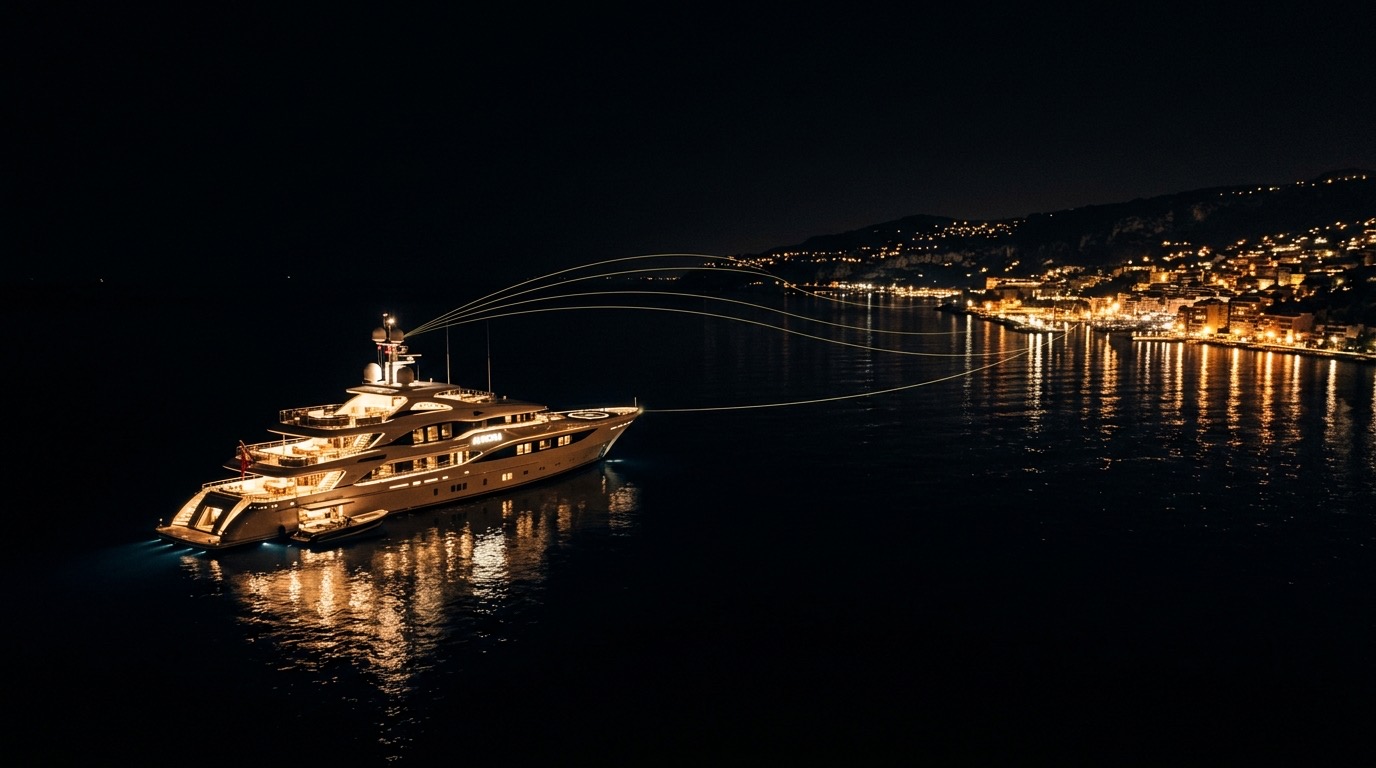
Secure Superyacht IT & Connectivity in Miami and Fort Lauderdale
Along the gold coast of American yachting — from the basins of Fort Lauderdale to Biscayne Bay — the most valuable thing aboard is no longer the vessel. It is the data, and the silence around it.
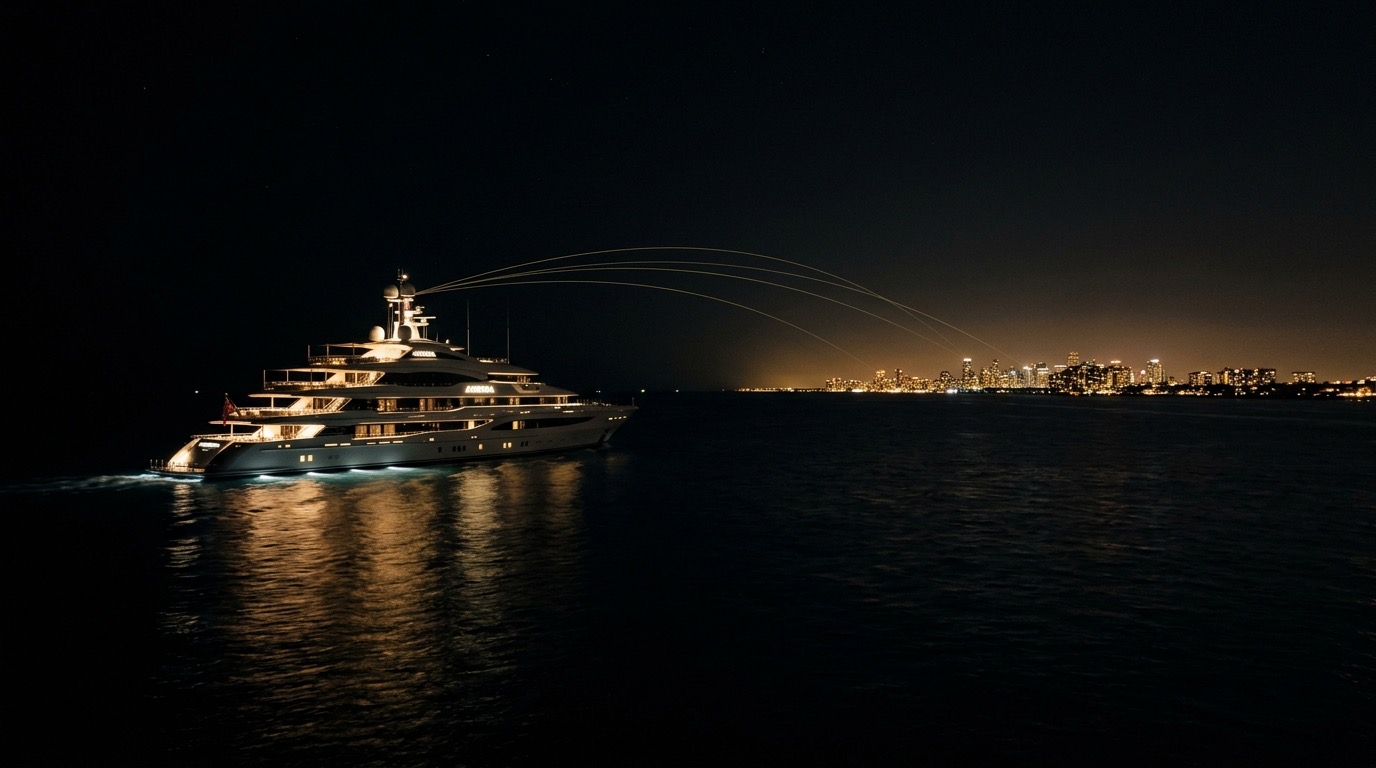
Each autumn, the waterways of Fort Lauderdale become the undisputed capital of world yachting. The Fort Lauderdale International Boat Show (FLIBS) — the largest in-water exhibition on earth — draws more than a hundred thousand visitors and a fleet approaching two billion dollars in value across the Bahia Mar, Pier Sixty-Six and the Superyacht Village. Less than thirty nautical miles south, Miami and Biscayne Bay carry that energy through the winter season. For the principals who own these vessels, the US east coast is not merely a cruising ground; it is a working address, a place where deals close, families gather, and confidential business travels aboard.
That concentration of wealth and attention is precisely what makes the region a quiet theatre of risk. A superyacht in South Florida is a floating office, a private residence, and a target — all at once.
Why connectivity and security matter on the gold coast
The yards and marinas of Fort Lauderdale are extraordinary for refit, provisioning and crew, but they were never designed as secure data environments. During show season the airwaves are saturated: thousands of devices, brokers, guests and contractors moving across docks within metres of a principal's stateroom. A single compromised crew laptop, an unvetted shoreside Wi-Fi connection, or an unpatched bridge system can expose itineraries, financial correspondence and the movements of a family.
The threats here are rarely cinematic. They are mundane and effective:
- Rogue networks and impersonated marina Wi-Fi harvesting credentials during FLIBS and the Miami season.
- Crew turnover leaving orphaned accounts, shared passwords and lingering access.
- Connectivity gaps between Starlink, cellular and shoreside fibre that quietly route sensitive traffic over untrusted paths.
- Targeted social engineering aimed at captains and personal staff who hold the keys to everything.
What we provide - remotely and unseen
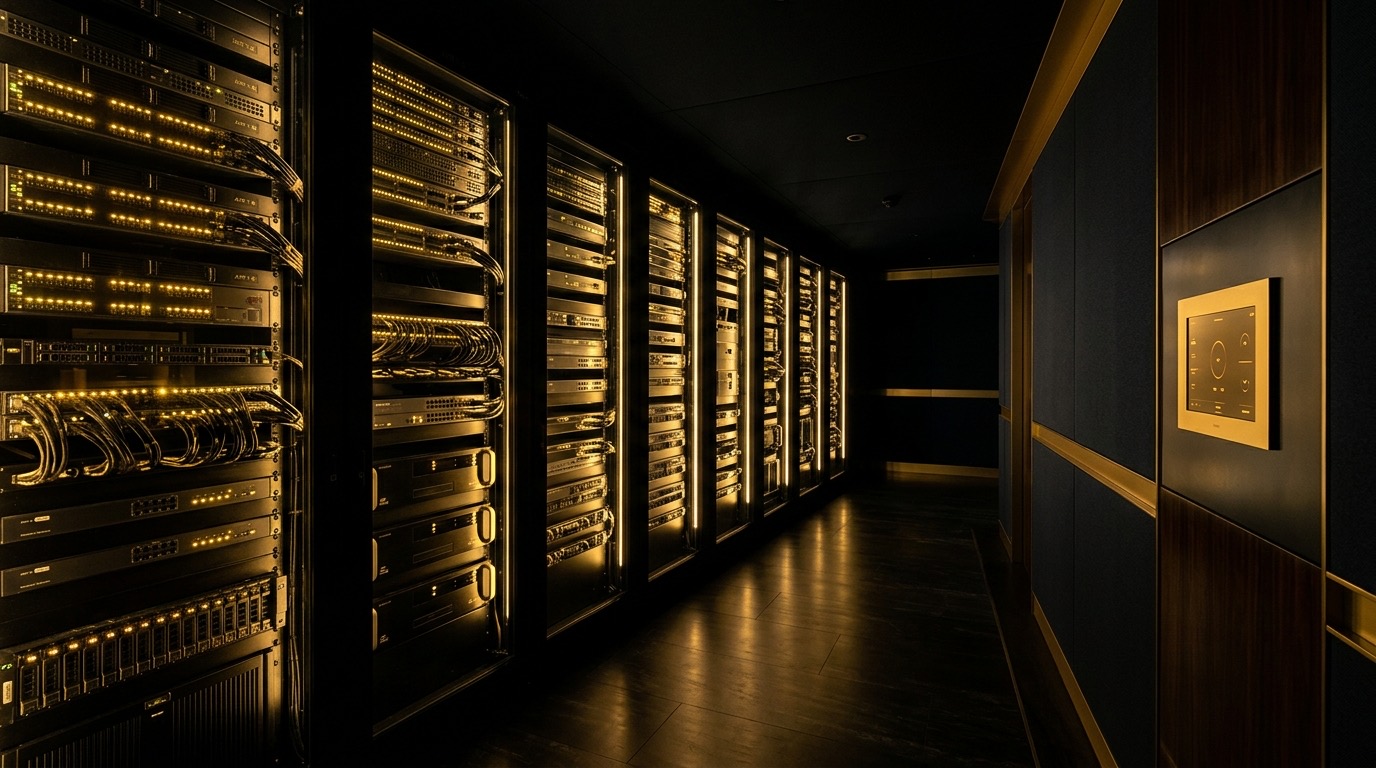
Obsidian Helm operates as a private technology, cybersecurity and AI office for the principal, not a dockside vendor. We are engaged before the season begins and remain on watch throughout it, from anywhere in the world. Our work along the US east coast typically includes hardened, segmented networks that separate guest, crew, owner and operational systems; resilient multi-path connectivity so the vessel never depends on a single link; and continuous monitoring tuned to the realities of a vessel that changes berth, crew and jurisdiction.
We treat the yacht as one node in a wider life. The same discretion and architecture extend across the Yacht, Jet & Estate footprint, so a principal's connectivity and protection do not fracture between the aircraft at Opa-locka, the residence on the bay, and the vessel at Pier Sixty-Six. For the underlying defensive posture, our approach to superyacht & jet cybersecurity governs every device that touches the owner's world. And because South Florida cruising demands flawless links — for navigation, for business, for family — our work on superyacht Starlink & internet ensures bandwidth that is fast, redundant and, above all, private.
The measure of our work is that you never think about it. The connection simply holds, and nothing leaves the vessel that you did not intend to send.
Discretion as the first principle
In a place as visible as Fort Lauderdale during show week, invisibility is the rarest luxury. We arrive under NDA, work remotely, and leave no banner on the dock and no logo on the gangway. Crew see a calm, well-run system. Brokers and contractors see nothing of value to exploit. The principal sees clear, plain-language reporting — never alarmism, never jargon.
This is the standard IT Cares Canada has held since 2014, now expressed for an audience for whom privacy is not a preference but a condition of life. Whether the vessel is debuting at FLIBS, wintering in Miami, or simply passing through on the way to the islands, the technology aboard should be the one thing the owner never has to question.
The American yachting capital rewards those who are prepared and quietly punishes those who are not. We make certain you are among the former.
Begin with a Private Strategy Session
Engagement begins with a $4,999 Private Strategy Session, credited toward membership, where we map your vessel, residences and aircraft into a single secure, connected estate.
Request Your InvitationFrequently asked
Do you need to be physically aboard the yacht in Fort Lauderdale or Miami?
No. We operate entirely remotely under NDA, worldwide. Our architecture, monitoring and response are delivered without a visible presence on the dock, which is itself a layer of discretion during high-exposure periods such as FLIBS.
Is connectivity reliable during the Fort Lauderdale International Boat Show?
Show season saturates local networks. We design multi-path connectivity - combining Starlink, cellular and trusted shoreside links - so the vessel maintains private, resilient bandwidth even when the marina airwaves are congested.
Can you protect the yacht alongside the principal's jet and residences?
Yes. We treat the vessel as one node in a wider life, extending the same security and connectivity standards across yacht, jet and estate so nothing fractures as the principal moves between them.
How quickly can you be engaged before the South Florida season?
Following the $4,999 Private Strategy Session, we typically establish hardened networks and monitoring within weeks. Engaging before the season begins is strongly preferred so protections are live before guests, crew and contractors arrive.