Yacht Club Membership for Owners: What It Actually Buys You
A burgee opens doors at marinas most owners never see the inside of. It does not, however, harden a single system on the vessel flying it — and conflating the two is a mistake worth avoiding before you sign an application.
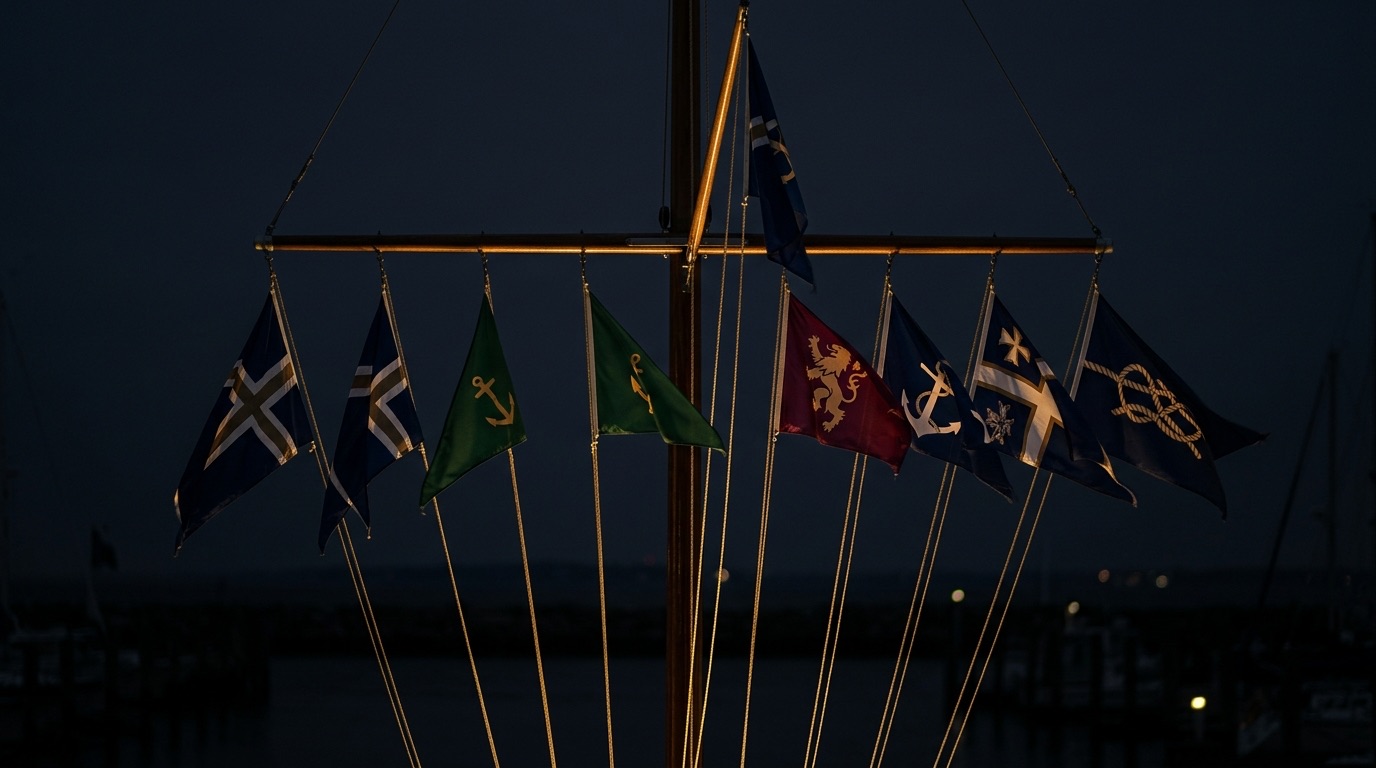
Search "yacht club" and two entirely different products surface in the same results. One is MSC Yacht Club, a cruise-line enclave sold to passengers — a private restaurant, pool deck and butler service walled off inside a much larger ship. The other is private yacht club membership, the traditional kind held by owners: a burgee, a clubhouse, a racing calendar, and a network of allied clubs worldwide that will extend privileges to a visiting member. If you own or operate a vessel, it is almost certainly the second you are actually researching, and the two share nothing beyond a name. This guide covers that second category in full — what it costs by tier, what reciprocal privileges are genuinely worth to an owner who cruises internationally, how the vetting process actually works, and where membership's usefulness stops entirely.
The tiers, honestly priced
| Tier | Typical clubs | Initiation fee (2026) | Annual dues |
|---|---|---|---|
| Regional / marina-affiliated | Local sailing and power clubs tied to a single marina or bay | $500 – $3,000 | $300 – $1,500 |
| National mid-tier | Established clubhouse, active racing calendar, moderate reciprocal network | $5,000 – $25,000 | $2,000 – $6,000 |
| Legacy top-tier | New York YC, Royal Yacht Squadron, Yacht Club de Monaco, St. Francis YC and comparable clubs | $50,000 – $250,000+, frequently behind a multi-year waitlist | $5,000 – $15,000 |
| Sponsored / family membership | Secondary membership through an existing member's sponsorship | Reduced or waived | Full or reduced, club-dependent |
At the top tier, the initiation fee is rarely the real obstacle — the waitlist and the sponsorship requirement are. Several of the most storied clubs have not processed an unsponsored walk-up application in decades; membership arrives through years of guest visits, informal vetting by existing members, and someone willing to put their own standing behind your candidacy. Budgeting for the fee without budgeting for the years is the single most common miscalculation owners make when they start this process.
What reciprocal privileges are actually worth to an owner who cruises internationally
The genuine value of top-tier membership is the reciprocal network — the roster of allied clubs worldwide that extend berthing priority, guest access and social standing to a visiting member without prior introduction. For an owner who actually moves the vessel across regions each season, rather than keeping it at a single home marina, that network does real work.
- Berthing priority in oversubscribed harbors. A reciprocal arrangement can move a member's request ahead of the general queue at clubs with their own limited berths, which matters most precisely where marina space is genuinely scarce — high season in the Mediterranean, regatta weeks, and a handful of chronically oversubscribed harbors worldwide.
- Guest privileges at allied clubhouses. Dining rooms, bars and social facilities at reciprocal clubs open to a visiting member and their party, which is a meaningfully different experience than arriving at a foreign port with no standing introduction anywhere.
- Racing and social calendar access. Entry to member regattas, invitational races and club social events that are not open to the general public, at destination clubs an owner would otherwise have no route into.
- A social vetting shorthand. Club membership functions as a pre-established credential in circles where introductions still matter more than any digital footprint — a form of standing that transfers instantly between clubs in the reciprocal network, worldwide.
The vetting and sponsorship process
Top-tier clubs do not operate on open application. The typical path runs through a proposer and seconder — existing members who have known the candidate socially, usually for years, and are willing to formally attach their name to the application. The candidacy is then reviewed by a house or membership committee, frequently posted on a clubhouse notice board for a defined objection period, and only then brought to a vote. At the most traditional clubs this process is deliberately slow, and deliberately social rather than transactional — a large check does not substitute for the years of guest visits and informal introduction that precede a serious proposal. Owners new to a region often underestimate this and apply too early, before the relationships that make a sponsor credible actually exist.
How membership interacts with berthing access at the busiest ports
Reciprocal privilege is most valuable exactly where it is hardest to test on paper: the ports where berth space is genuinely the binding constraint on a season's itinerary. Monaco, Porto Cervo and St. Barts routinely turn away vessels with no prior arrangement during peak weeks, and a club's reciprocal standing can be the difference between a confirmed berth and a holding pattern offshore. It is worth being precise about what this buys, though — reciprocity improves the odds and the priority of a request, it does not override a marina's physical capacity or override the vessel's own berthing and technical arrangements once alongside. We cover the operational side of arriving prepared at two of these specific hubs in superyacht IT in Cannes and Antibes and superyacht IT in Sardinia and Porto Cervo, and the broader seasonal routing owners weigh alongside club calendars in our 2026 superyacht charter guide.
A burgee gets you a berth and a table at the bar. It has never once patched a vulnerability or kept a network segmented.
What club membership doesn't solve
This is the distinction owners most often miss, and it is the reason we cover yacht club membership at all. A club's reciprocal network solves a social and access problem — where the vessel can berth, who its crew and owner can dine with, which regattas it can enter. It does nothing whatsoever for the vessel's operational security or connectivity: the segmented network architecture that keeps guest WiFi away from navigation and security systems, the monitored satellite links, the incident response plan if a system is compromised mid-passage. No amount of club standing changes how exposed a yacht's onboard systems are the moment it ties up in a foreign marina running unfamiliar shore-side networks.
These are genuinely separate programmes, run by different kinds of organisations for different reasons, and an owner is generally better served treating them that way rather than expecting one to cover the other. Obsidian Helm's own membership tiers are a useful parallel precisely because they draw the same line explicitly — they exist to deliver a private, always-on technical and security programme for the vessel and its principal, not social access or berthing priority, which remain squarely the yacht club's domain. The two memberships are complementary, not competing: a club membership and an Obsidian Helm membership solve entirely different problems for the same owner, and most serious operators eventually hold both.
For an owner weighing what a technical programme should actually include once the social side is handled, our concierge IT practice sets out the private, on-call model we run for vessels and estates — the operational counterpart to the access a good club membership provides.
Handle the Social Side Separately From the Technical One
A $4,999 Private Strategy Session covers your vessel's actual connectivity and security posture — independent of any club, marina or charter arrangement — and is credited toward membership.
Request Your InvitationFrequently asked
Is MSC Yacht Club the same as private yacht club membership?
No. MSC Yacht Club is a premium enclave product sold to passengers aboard MSC cruise ships — a private restaurant, pool deck and concierge service within a much larger vessel. Private yacht club membership, covered in this guide, is a traditional ownership-based membership with reciprocal privileges at allied clubs worldwide. The two are unrelated beyond sharing a name.
How much does it cost to join a top-tier yacht club?
Initiation fees at legacy top-tier clubs typically run from roughly $50,000 to $250,000 or more, with annual dues of $5,000 to $15,000, though the fee is often the smaller obstacle compared with the multi-year sponsorship and waitlist process most of these clubs require.
Do I need to own a yacht to join a yacht club?
Not always — many clubs accept non-owning members interested in racing, social membership or sailing programmes — but reciprocal berthing privileges, the primary practical benefit for cruising owners, are generally most valuable to members who actually own and operate a vessel.
What is a reciprocal yacht club agreement?
It's a formal arrangement between clubs under which each extends berthing priority, guest privileges and clubhouse access to visiting members of the other, without requiring a prior personal introduction. A well-connected legacy club can reach several hundred reciprocal clubs worldwide.
Does yacht club membership improve my vessel's cybersecurity or connectivity?
No. Club membership addresses social access and berthing priority only. It has no bearing on the vessel's onboard network security, satellite connectivity or incident response posture, which require a separate, dedicated technical programme regardless of which clubs the owner belongs to.