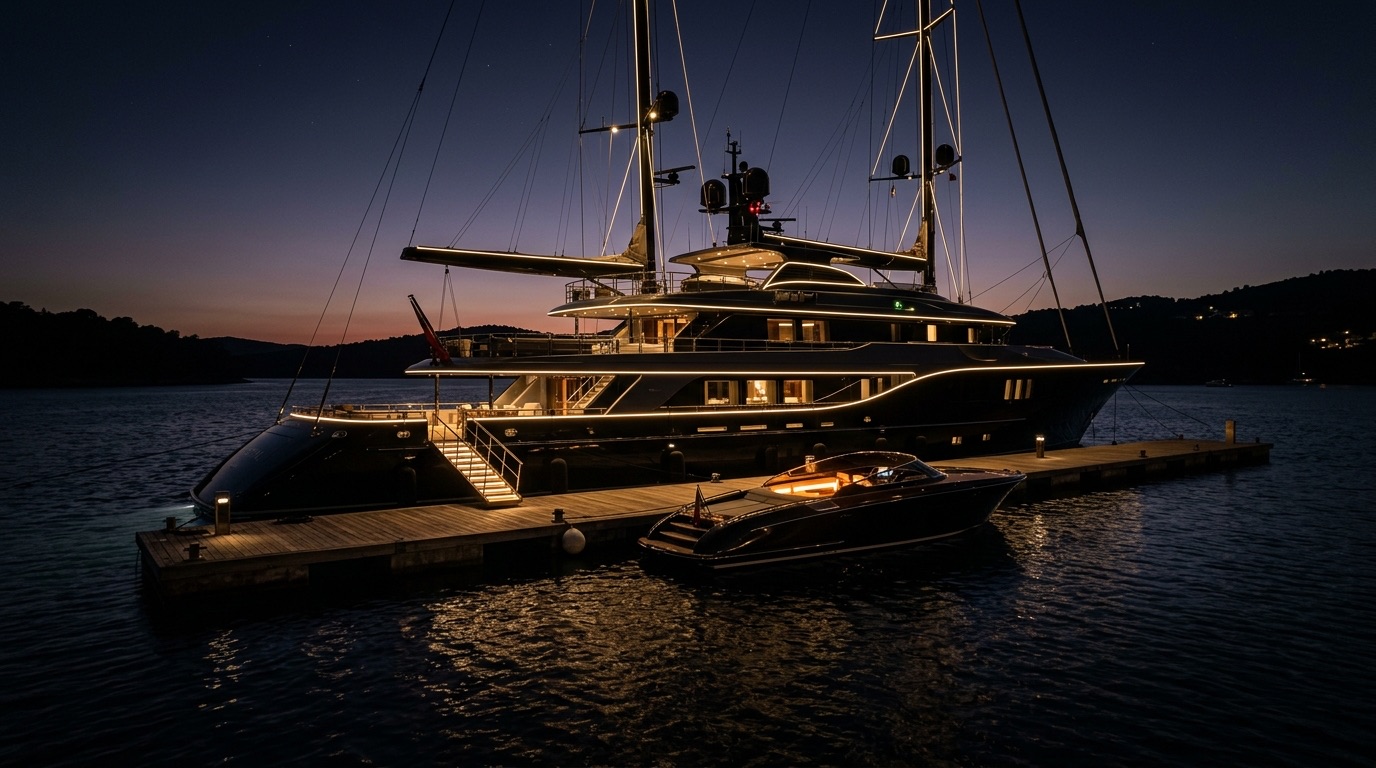
Modern Luxury Day Boats & Tenders: Axopar, Wajer, Saxdor and Riva Compared
One of these brands has been building boats since 1842. The other three didn't exist twenty years ago. All four now sit on the same shortlist, because the modern day boat has become a genuinely separate category from both the classic runabout and the ship's tender it used to be.
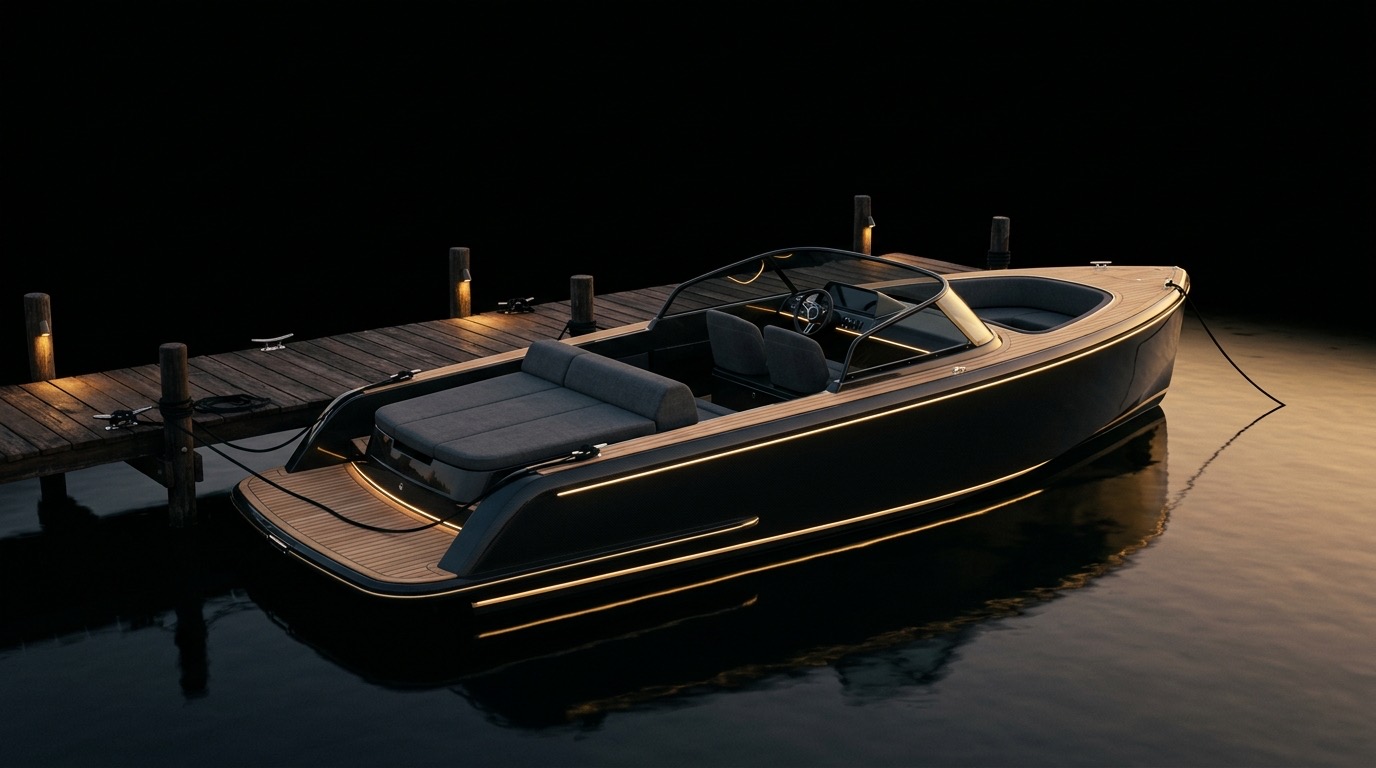
Ten years ago, the day boat conversation didn't really exist as its own category. You bought a runabout, you bought a tender that lived on the swim platform of something bigger, or you bought a Riva and treated it as a piece of moving furniture. That's no longer how the shortlist works. Axopar boats, Wajer, and Saxdor have each built real businesses around a vessel that's neither a stripped-down utility tender nor a heritage showpiece — something fast, low-maintenance, and genuinely usable on its own, priced and equipped for owners who want one boat that does several jobs well. Riva remains the reference point every one of them gets measured against, which is exactly why the four keep appearing on the same buyer's list.
Four brands, four different starting points
Riva is the outlier by design, not by accident. It has built boats in Italy since 1842, and for most of the twentieth century it defined what an elegant open motorboat looked like — mahogany decks, hand-finished brightwork, a silhouette that hasn't needed reinventing. It's now part of the Ferretti Group, but the positioning hasn't shifted: Riva sells heritage, craftsmanship, and a name that reads as an heirloom rather than a utility purchase. Axopar came at the problem from the opposite direction. Finnish-built and only established in the 2010s, it built its reputation on efficient hull design, practical range, and a no-nonsense Scandinavian read on what a day boat needs to do — get people out on the water quickly, run efficiently, and not demand a maintenance department to keep it that way. Wajer, also relatively young and Dutch, sits closer to Axopar's modern-design instinct but leans further into refined interior finish and a more upscale lifestyle presentation, positioning itself as a premium day boat for owners who still want Scandinavian-adjacent efficiency without giving up cabin comfort. Saxdor rounds out the group as the most accessible of the modern builders — sport-oriented, design-forward, and priced to bring the modern day-boat aesthetic to a wider buyer without pretending to compete with Riva's heritage positioning or Wajer's higher-finish interiors.
| Brand | Origin | Positioning | Best-fit use case |
|---|---|---|---|
| Riva | Italy (Ferretti Group) | Heritage craftsmanship, design icon since 1842 | Marina lifestyle boat, statement piece, collector ownership |
| Axopar | Finland | Efficient modern Scandinavian day-boat engineering | Superyacht tender, weekend day boat, practical range |
| Wajer | Netherlands | Premium modern day boat, refined interior finish | Standalone weekend boat with cabin comfort |
| Saxdor | Modern sport day-boat builder | Accessible modern design, sport-oriented | Entry point into the modern day-boat category |
None of these four are competing head-to-head across every category. That's the part buyers most often get wrong when they put all four on one spreadsheet and expect a single winner — the honest comparison is really three separate questions layered together: heritage versus modern design, tender versus standalone boat, and finish level versus accessibility.
Tender, day boat, or lifestyle boat — the real decision
The single biggest factor in choosing between these brands isn't styling. It's what job the boat is actually going to do, because that answer changes which builder's design priorities line up with yours.
- Superyacht tender — the priority here is efficient range, easy davit or garage stowage, and a hull that performs well loaded with guests and gear after being craned off a mothership. Axopar's efficiency-first engineering and straightforward systems make it a frequent choice in this role, and it shows up on tender decks accordingly.
- Standalone weekend day boat — here the boat is the whole point, not a support vessel, so cabin comfort, finish quality, and a bit more onboard livability start to matter. This is where Wajer's more refined interior positioning and Riva's design pedigree both make sense, depending on whether the buyer wants modern minimalism or heritage styling.
- Marina lifestyle boat — for an owner who wants a boat that photographs well at the dock, gets used for short local runs, and functions as much as a status object as a vessel, Riva's brand equity is difficult for any modern builder to replicate, heritage simply isn't something you can engineer in a decade.
- Entry into the category — for a buyer who wants the modern day-boat look and feel without the price tag of a more established name, Saxdor is built specifically to be that on-ramp.
A quick way to narrow the shortlist
If the boat's primary job is supporting a larger yacht — getting craned on and off, running efficiently between the mothership and shore — start with the modern efficiency-focused builders rather than the heritage names, since range and stowage logistics matter more than brand heritage in that role. If the boat is the only vessel being bought, and it needs to double as a comfortable standalone weekend boat, weigh cabin finish and onboard livability more heavily than raw efficiency figures. If the purchase is partly about how the boat looks tied up at the dock and what it signals about ownership, heritage carries real weight that a modern builder's engineering credentials don't offset. And if budget is the primary constraint but the modern day-boat aesthetic is non-negotiable, the accessible end of the category exists specifically to solve that.
Riva sells a name you can't build in ten years. Axopar, Wajer and Saxdor sell an answer to a question Riva was never trying to solve.
What buyers actually get wrong
The most common mistake is treating this as a single ranked list, when it's really four brands answering four different briefs. Buyers who put a Riva and an Axopar side by side on paper — comparing length, beam, and headline speed — miss that one of them is priced and built around heritage and hand-finishing, and the other around efficient, low-maintenance modern engineering. Neither is the wrong answer; they're wrong answers to each other's question. The second common mistake is buying purely on tender-deck efficiency for a boat that's going to spend most of its life as a standalone weekend vessel, or the reverse — over-specifying interior comfort for a boat that's mostly going to sit in davits between short shuttle runs. Matching the brand's actual design brief to the boat's real job is most of the decision; everything else is finish, options, and budget. Our yacht buying guide covers the wider purchase process this fits into, and if the day boat in question is meant to serve alongside a larger vessel, superyacht technology systems covers how tender connectivity and monitoring should integrate with the mothership.
Whichever brand ends up on the dock, the connectivity, security and monitoring systems around it should be specified to match how the boat is actually used — tender, standalone day boat, or lifestyle asset — not bolted on as an afterthought. Obsidian Helm specifies that architecture correctly the first time as part of our Yacht & Jet practice.
Match the Right Day Boat to How You'll Actually Use It
A $4,999 Private Strategy Session reviews your intended use — tender, standalone day boat or lifestyle boat — and delivers a systems and ownership plan matched to the right vessel, credited toward membership.
Request Your InvitationFrequently asked
Is Axopar a luxury brand like Riva?
Not in the same sense. Riva sells heritage and hand-finished craftsmanship built on a name dating to 1842. Axopar is a modern Finnish builder known for efficient, practical day-boat engineering rather than heritage positioning. Both are premium within their own categories, but they're not answering the same question.
What's the difference between Wajer and Axopar?
Both are modern builders with roughly similar histories, but Wajer, Dutch-built, leans further into refined interior finish and onboard comfort, positioning itself as a premium standalone day boat. Axopar leans harder into efficient hull design and practical range, which is part of why it shows up more often in the superyacht tender role.
Are Saxdor boats a good alternative to Axopar or Wajer?
Saxdor occupies the more accessible end of the modern day-boat category. It shares the same general design language as Axopar and Wajer but is priced and positioned as an entry point into the category rather than a direct like-for-like alternative to either.
Why do superyachts use Axopar as a tender rather than a Riva?
Tender selection prioritizes efficient range, ease of stowage in davits or a garage, and straightforward systems that hold up to frequent loading and unloading. Axopar's modern engineering is built around exactly that brief. Riva's value proposition is heritage and craftsmanship, which matters far less in a support-vessel role.
Is Riva still made in Italy?
Yes. Riva remains an Italian builder, now part of the Ferretti Group, and continues to build on the design heritage that has defined the brand since 1842 rather than repositioning itself as a modern efficiency-focused builder.